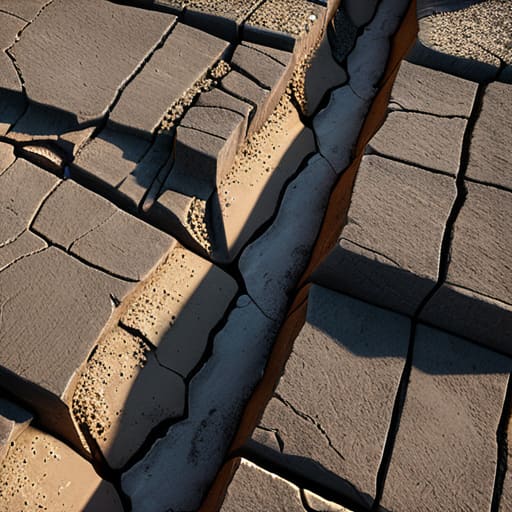
I was standing on a job site in Bristol last Tuesday, watching a lad try to explain to a homeowner why their new driveway was dipping like a half-moon. He was talking about “aggregate density” and “structural compaction ratios”—all that expensive, fancy nonsense. I just shook my head and pointed at the edge of the slab. People spend thousands on the best concrete money can buy, only to blame the mix when the ground underneath it decides to give up the ghost. If you’re looking for the common causes of driveway sinking and settling, stop looking at the surface. Most of the time, the concrete is perfectly fine; it’s the lazy groundwork and the skipped steps underneath that are actually to blame.
I’m not here to sell you a premium additive or a complicated engineering degree. I’m here to tell you what I’ve learned from forty-three years of pouring slabs in the rain, the heat, and the frost. I’m going to strip away the jargon and show you exactly where the real failures happen—from the sub-base to the way the water moves through your soil. By the time I’m done, you’ll know how to spot a properly prepared site before a single drop of wet concrete even hits the ground.
Improper Driveway Base Preparation Is Your Silent Killer
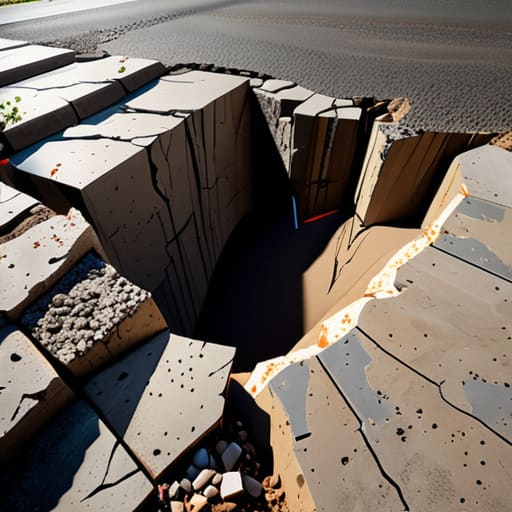
You can buy the most expensive, high-strength mix from the plant in the country, but if you pour it onto a bed of soft, uncompacted rubbish, you’re just wasting your money. I’ve seen it a thousand times: a homeowner or a cowboy contractor spends a fortune on the surface, but they skimp on the digging. They don’t go deep enough, or they don’t get down to a proper, stable stratum. Most subgrade compaction issues start right there, with someone thinking a bit of loose dirt and some handfuls of MOT Type 1 is enough to hold up a ton of steel and stone. It isn’t.
Once that slab is down, the real trouble starts underneath where nobody is looking. If you haven’t got a proper, compacted layer, you’re inviting soil erosion under concrete the moment the weather turns. A bit of heavy rain gets into those gaps, washes the fines out from under your base, and suddenly you’ve got a void. Without that solid footing, the slab has nothing to sit on, and gravity does the rest. You’ll see the cracks appearing, but by then, the damage was done months ago.
Subgrade Compaction Issues That Nobody Bothers to Check
You can lay the most expensive Type 1 MOT sub-base in the world, but if the ground underneath it is soft, you’re just pouring money into a sponge. I’ve seen it a thousand times: a lad brings in a plate compactor, runs it over the stone for five minutes to look busy, and calls it a day. That’s not compaction; that’s just moving dust around. If you don’t get that native soil packed tight, you’re begging for subgrade compaction issues that will show up six months later when the first heavy car pulls onto the slab.
Then there’s the stuff people ignore until the cracks appear. If you’ve got a patch of clay or soft organic matter that wasn’t dug out properly, it’s going to compress. Once that happens, you’ll see the obvious signs of driveway foundation failure—not a clean crack, but a slow, sickening dip. And don’t get me started on the trees. People plant a hedge or a willow right up against the edge and act surprised when tree root damage to driveways starts lifting the slab like it’s on a lever. You have to respect the ground before you ever think about the pour.
Five Ways to Stop a Pour from Becoming a Disaster
- Watch the water. I’ve seen more driveways ruined by a lad with a hose than by anything else. If the driver or the site foreman starts adding water to the truck because the mix looks “stiff,” they’re just making it easier to spread while they’re actively killing the strength. You end up with a porous, weak slab that’ll crack the moment a heavy SUV rolls over it.
- Don’t ignore the weather forecast. If you’re pouring in the heat of a July afternoon without a plan to keep it damp, you’re asking for shrinkage cracks. Conversely, if you pour when the ground is saturated from a week of rain, that subgrade is never going to behave. You don’t fight the weather; you time the pour so you aren’t working against it.
- Get the joints right the first time. A driveway isn’t one big continuous sheet of stone; it’s a series of controlled breaks. If your saw cuts are too shallow or you space your control joints too wide, the concrete will find its own way to crack, and it won’t be where you want it to be. You have to tell the concrete where to break, or it’ll decide for itself.
- Check your aggregate sizing. You can’t just throw any old rubbish in the mix and expect it to hold up a vehicle. If the mix design doesn’t match the load requirements—especially if you’re moving from a standard walkway to a heavy-duty driveway—you’re going to see settling. The stones in the mix need to lock together, not just sit there like sand.
- Mind the curing process. The job isn’t finished when the screed is level; it’s finished when the hydration process is done. If you let the surface dry out too fast because you were too impatient to get the curing compound on or get the burlap down, you’ll end up with surface crazing and weak top layers that flake away like old biscuits.
Get It Right the First Time
Look, if you’re staring at a crack or a dip in your driveway, don’t go blaming the batch plant or the strength of the mix right away. I’ve seen it a thousand times: people spend a fortune on high-grade concrete only to watch it fail because they cut corners on the sub-base or ignored the compaction levels. Whether it’s soft clay that wasn’t properly stabilized, a sub-base that was too thin, or some lad on site adding extra water to the truck to make the screeding easier, the cause is almost always found below the surface. If you don’t respect the ground you’re building on, you’re just pouring money into a hole in the dirt.
At the end of the day, a good driveway isn’t built during the pour; it’s built in the days of preparation before the first truck even pulls up. If you take the time to do the prep work properly—get your layers compacted, check your moisture, and ensure your base is rock solid—you won’t be calling me in three years to ask why your slab is shifting. Do it right, do it slow, and don’t let anyone talk you into a shortcut just to save a few quid on the labor. A driveway should be a permanent part of the home, not a temporary patch job that’s destined to fail.
Now, once you’ve sorted your subgrade and your base, you can’t just walk away and hope for the best; you have to be mindful of how the environment is going to treat that slab during the first few days. I’ve seen lads ruin a perfectly good mix just because they didn’t account for a sudden heatwave or a heavy downpour right after the pour. If you’re looking for a bit of extra guidance on how to manage your site or just need to find a way to stay connected and informed while you’re working through these technical stages, you can find some useful community discussions over at this adult chat region. It’s always worth having a way to cross-reference your methods with others so you aren’t just guessing when the weather turns sour.