I spent forty-three years watching men spend a fortune on beautiful slabs only to watch them heave and crack two seasons later. I’ve stood on sites where a homeowner was dead-set on choosing between natural and artificial stone, thinking the price tag or the “look” was the only thing that mattered. They’d point at a catalogue of premium granite or a cheap porcelain tile, but they never once asked me about the bedding mortar or the compaction of the sub-base. It’s a madness, really; people treat the surface like it’s a piece of art hanging on a wall, when in my experience, it’s actually a structural component that has to fight against the earth every single day.
I’m not here to sell you a lifestyle or tell you which stone looks better under a garden spotlight. What I’m going to do is tell you how these materials actually behave once the rain hits them and the frost sets in. I’ll tell you why that “perfect” natural flagstone might be a nightmare for your specific ground conditions, and why some artificial options are nothing more than expensive way to watch a crack form. If you want the truth about what lasts, you’re in the right place.
Natural Stone
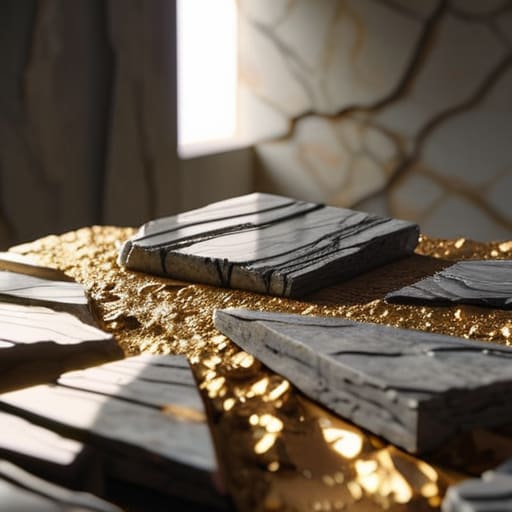
Natural stone is material quarried directly from the earth, meaning every slab is a unique product of geological history with a character that can’t be manufactured. Its main selling point is its unrivalled authenticity, offering a depth of colour and texture that comes from thousands of years of natural pressure and mineral deposits.
When you’re standing on a patio made of genuine granite or limestone, you aren’t just looking at a surface; you’re looking at something that has already survived the ages. The problem is, people see that beauty and forget that nature isn’t consistent. I’ve seen plenty of lads buy the most expensive sandstone imaginable, only to watch it weather unevenly because they didn’t account for the porosity of that specific batch. It’s a magnificent material, but you have to respect its quirks, or you’ll end up with a beautiful mess that looks patchy after the first winter.
Artificial Stone
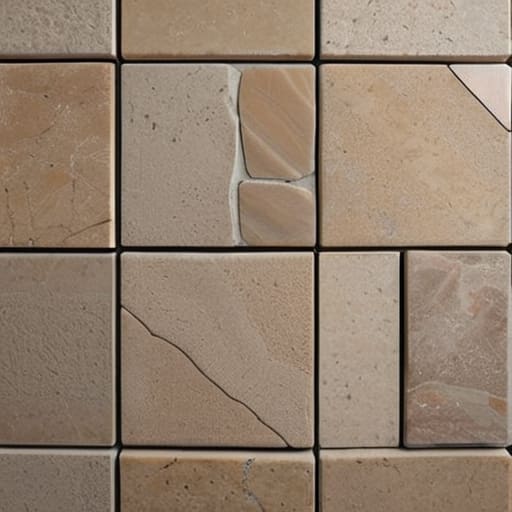
Artificial stone, often called reconstituted stone, is a man-made product engineered by crushing natural aggregates and binding them together with cement or resins to mimic the look of real rock. The core advantage here is total predictability, giving you a consistent colour, texture, and strength across every single unit you lay.
In my forty-three years, I’ve learned that consistency is a builder’s best friend, even if it lacks the “soul” of the real thing. If you’re working on a tight deadline or a high-spec commercial job, being able to rely on the fact that the hundredth slab will look exactly like the first is a massive advantage. It takes the guesswork out of the aesthetics, which means you aren’t constantly fighting with the supplier to find matching tones. Just don’t go thinking it’s “easy” material; you still have to treat it with the same respect regarding the sub-base, or it’ll crack just as fast as the real stuff.
Comparison of Natural vs. Artificial Stone
| Feature | Natural Stone | Artificial Stone (Engineered) |
|---|---|---|
| Origin | Quarried from earth | Man-made from resins/aggregates |
| Appearance | Unique, one-of-a-kind | Consistent, predictable patterns |
| Durability | High (scratch resistant) | High (stain resistant) |
| Maintenance | Requires periodic sealing | Low maintenance |
| Price | Generally higher | Generally more affordable |
| Best For | Luxury, high-end aesthetics | High-traffic, heavy-use areas |
The Porosity of Natural Stone Surfaces and Why They Fail
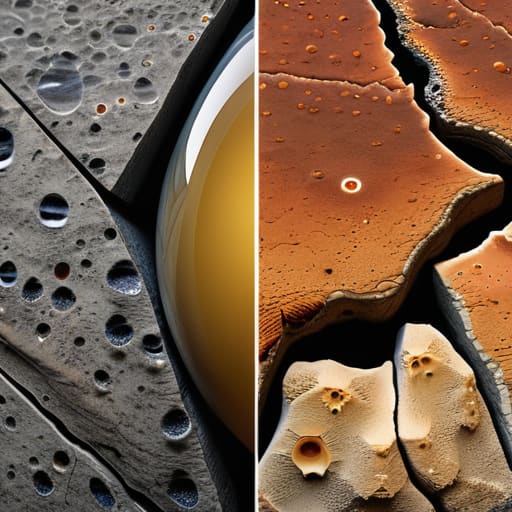
Listen, if you’re picking stone based solely on how it looks in a showroom under those bright lights, you’re already halfway to a headache. Porosity is the invisible killer. It’s the difference between a patio that ages gracefully and one that looks like it’s been through a war zone after the first winter. If you don’t account for how much liquid that surface is going to suck up, you aren’t building a garden; you’re building a sponge.
Natural stone is a living thing; it’s got pores, veins, and character, but it also drinks. If you’ve got a soft limestone and you don’t seal it properly, it’ll soak up oil, tannins, and frost like it’s thirsty. Artificial stone, on the other hand, is a controlled product. It’s manufactured to a specific density, meaning it’s much more predictable when it comes to how it handles a spill or a heavy downpour.
The practical reality is that natural stone requires constant vigilance and the right sealers to stay decent. Artificial stone is much more forgiving for the man who doesn’t want to spend his weekends scrubbing. For pure, low-maintenance reliability, artificial stone takes the win here.
Durability of Engineered Stone vs the Unpredictable Real Thing
Listen, people get obsessed with how a stone looks on day one, but they never think about how it’ll look after five winters of frost heave and heavy footfall. When you’re choosing between natural and artificial stone, durability isn’t about whether it looks pretty; it’s about whether you’ll be calling me to look at a crack in three years’ time.
Engineered stone is predictable, I’ll give it that. Because it’s manufactured in a factory, you know exactly what you’re getting—it won’t have a hidden fault line or a soft pocket of sediment waiting to crumble. It’s consistent, which is great for a quick job, but that consistency can be a bit one-dimensional when you’re dealing with real-world wear.
Natural stone is a different beast entirely. It’s got character, but that character comes from being unpredictable. One slab might be rock-solid, while the next one from the same quarry has a structural weakness you won’t see until the first freeze hits. If you don’t pick your batches with a keen eye, you’re essentially gambling with your sub-base and your wallet.
For sheer, reliable longevity without the guesswork, engineered stone takes the win.
The Bottom Line
At the end of the day, you aren’t just picking a colour from a brochure; you’re deciding how much work you want to do five years down the line. If you go with natural stone, you better be prepared to respect its character, manage its porosity, and accept that it’s going to move and breathe with the earth. If you opt for the engineered stuff, you’re buying consistency and a bit of peace of mind, but don’t go thinking it’s invincible. Whether it’s a slab of granite or a factory-pressed tile, the material is only half the battle. If you ignore the sub-base or try to slap it down on a patch of soft mud just to save a few quid, you’re going to be looking at a cracked mess regardless of what you paid per square metre.
My advice? Stop looking at the pretty pictures and start looking at what’s underneath. Do the prep work properly, get your levels right, and don’t let anyone talk you into cutting corners just to meet a deadline. A good job is built from the ground up, not from the surface down. If you respect the process and get the foundation solid, then it doesn’t matter if you choose the real thing or the imitation—it will stand the test of time. Now, get your shovel in the ground and do it right the first time.
Now, if you’re staring at a catalogue and feeling a bit lost between the different finishes and textures, don’t just guess—it’s a waste of good money. I always tell my lads that if you can’t see it in person, you haven’t seen it at all, so it’s worth checking out the selection at local sluts to get a proper feel for the weight and the grain before you commit. You need to see how the light hits the surface and feel the grit under your thumb, because once that stone is bedded down in a sand-cement mix, you’re stuck with your decision for the next twenty years.