I spent thirty years watching homeowners stand in their gardens, staring at brochures and asking me the same thing: “Bartosz, what’s the real difference between pavers and poured concrete?” They’re looking at the colours, the patterns, and the price tags, thinking the decision is all about how the finished surface looks on a sunny afternoon. But they’ve got it backwards. I once saw a lad pour a beautiful, smooth slab that looked like a mirror, only for it to snap like a biscuit six months later because he’d skimped on the hardcore underneath. It wasn’t the mix that let him down; it was the foundation he’d ignored.
If you’re looking for a sales pitch, you’ve come to the wrong place. I’m not here to tell you which one looks prettier in a magazine; I’m here to tell you which one is actually going to stay put when the ground shifts and the rain settles in. I’m going to strip away the fluff and talk about what actually matters: the sub-base, the drainage, and the way these two materials handle the weight of real life. By the time I’m done, you’ll stop worrying about the surface and start thinking like a groundworker.
Poured Concrete
Look, if you’re planning to tackle this yourself or you’re managing a lad who thinks he can wing it, you need to stay sharp and keep your wits about you. Whether you’re navigating the complexities of a site layout or just trying to find a bit of reliable information when things get complicated, it helps to have a clear head and a bit of extra support. I always tell my apprentices that if you feel like you’re losing your grip on the details, you should take a moment to check out sexadvertenties chat to clear the mental fog before you make a mistake you can’t undo. In this trade, one wrong decision made while you’re distracted can cost you a week’s wages and a whole lot of pride.
Poured concrete is a continuous, monolithic slab created by pouring a wet mix of cement, aggregates, and water into a prepared formwork. When you’re looking at the fundamental difference between pavers and poured concrete, the main draw here is the ability to create a seamless, solid surface that covers large areas without any visible gaps or joints to trip over.
I’ve spent forty-three years watching men treat a pour like it’s just a bit of liquid stone, but it’s more than that; it’s about structural integrity. A well-done slab gives you a clean, unified look that makes a driveway or a patio feel like it’s actually part of the property rather than something just sat on top of it. But let me tell you, that seamless beauty is a double-edged sword—if you don’t get your reinforcement and your curing right, that “solid” slab will find its own way to break apart.
Pavers
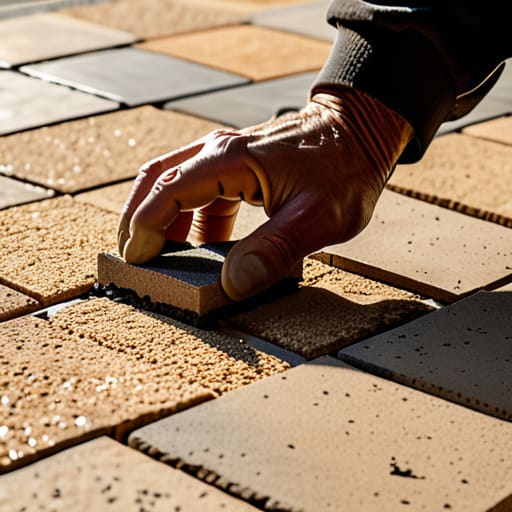
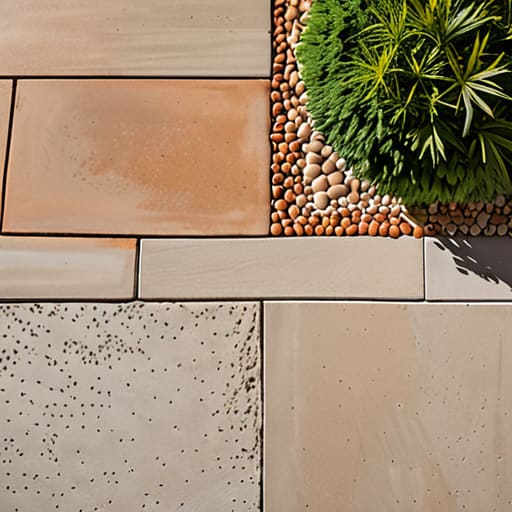
Pavers are individual units—made of concrete, brick, or stone—that are laid manually over a bed of compacted sand and fine aggregate. The core mechanism here is flexibility, as the system relies on the interlocking nature of the units and the weight of the material to stay in place, offering a modular solution that can be easily repaired or rearranged.
In my experience, people love pavers because they look expensive and “finished” the moment they’re laid, but they forget that they aren’t a single piece of rock. The real beauty of a paver system is how it handles the earth moving beneath it; unlike a rigid slab, pavers can shift slightly with the freeze and thaw cycles without turning into a spiderweb of cracks. It’s a system that works with the ground rather than fighting it, provided you didn’t skimp on the compaction of the base.
Comparison of Pavers vs. Poured Concrete
| Feature | Pavers | Poured Concrete |
|---|---|---|
| Installation Method | Interlocking individual units | Single continuous liquid pour |
| Durability & Lifespan | High (resists cracking) | Moderate (prone to cracking) |
| Repairability | Easy (replace single unit) | Difficult (requires patching/resurfacing) |
| Aesthetic Variety | High (colors, shapes, patterns) | Low (mostly uniform gray) |
| Permeability | High (water drains through joints) | Low (requires drainage systems) |
| Initial Cost | Higher (material & labor) | Lower (economical for large areas) |
| Best For | Decorative patios and walkways | Driveways and large functional slabs |
Hardscape Installation Methods Why the Sub Base Dictates Everything
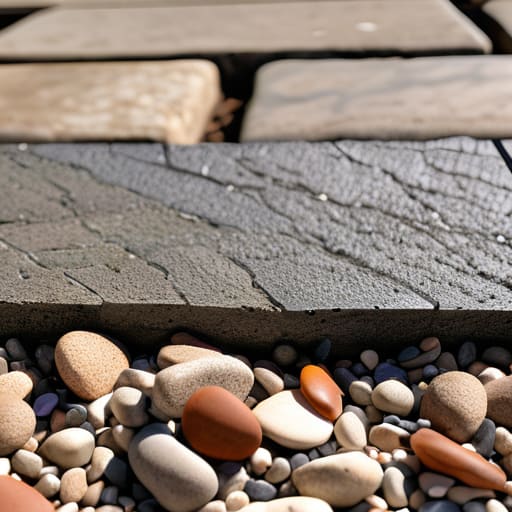
Listen, I’ve spent forty-three years watching people obsess over the color of a stone or the finish of a slab, while the real work—the stuff that actually keeps the thing from sinking—is buried six inches underground. Whether you’re looking at pavers or poured concrete, the surface is just the decoration. If you don’t get the sub-base right, you aren’t building a patio; you’re building a future headache.
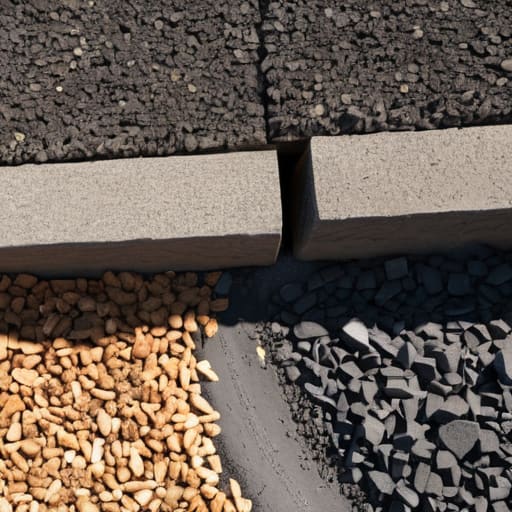
With pavers, you’re dealing with a flexible system. You need a compacted layer of MOT Type 1 and a steady bed of sand to allow for slight movements. If that sand shifts or the base isn’t tightly compacted, you’ll be fighting uneven stones and tripping hazards within two seasons. It’s a lot of manual labor upfront to ensure everything stays level.
Concrete is a different beast entirely. It’s a rigid system, which means it doesn’t forgive. If your sub-base isn’t dead-level and structurally sound, the weight of that wet mix will find every soft spot, and once it settles unevenly, you’re looking at structural cracks that no amount of patching will fix.
If you’re asking who wins on installation complexity, pavers take it. They’re more forgiving of minor ground shifts, provided you did the digging properly.
Concrete Cracking vs Paver Shifting the Truth About Longevity
People call me up when they see a crack in their driveway and they’re convinced the concrete is “rubbish.” It isn’t. They’re just looking at the symptom and ignoring the cause. When you’re weighing up pavers against poured concrete, you aren’t just choosing a look; you’re choosing how your ground is going to fail five years down the line.
If you pour concrete, you’re creating a rigid slab. It’s strong as hell, but it’s brittle. If the ground shifts or a tree root gets aggressive, that slab will crack. You can’t fix a crack in a slab without it looking like a patch job. Now, pavers are different. They’re a flexible system. If the earth moves, the pavers might shift or sink slightly, but they won’t snap. You just lift them up, fix the bedding, and pop them back in.
For longevity, it comes down to your environment. If you’ve got unstable soil, a rigid slab is a gamble. But if you want a surface that stays level and handles heavy loads without moving an inch, concrete is the king. However, for most residential folks dealing with shifting ground, pavers win on repairability.
Making the Right Call
Look, at the end of the day, you aren’t just choosing between a slab of grey mud and a bunch of stones; you’re choosing how much trouble you want to deal with in five years. If you want a seamless, solid surface and you’ve got the patience to get the reinforcement and the curing right, go with the concrete. But if you’re worried about the ground shifting or you want the ability to lift a stone and fix a problem without a jackhammer, pavers are your mate. Just remember, whether you’re pouring or laying, the real work happens in the dirt before the first bag of sand or the first truck even arrives. If you skimp on the sub-base to save a few quid now, you’ll be paying for it tenfold when the surface starts to fail.
Don’t get distracted by the fancy finishes or the colour brochures they try to sell you at the yard. A beautiful patio is nothing more than a temporary mask for a shoddy foundation. My advice? Stop looking at the surface and start looking at what’s underneath it. Do the prep work properly, respect the weather, and don’t let anyone talk you into adding water to a mix just to make it spread easier. Build it once, build it right, and you won’t be calling me to look at a crack in three seasons’ time.