I once watched a lad on a site in ’94 try to convince a homeowner that a massive price hike was purely down to the “premium finish” of the stone. The truth? He’d spent three days trying to fix a botched sub-base that had been left to rot in the rain, and he was just trying to hide the cost of his own mistakes. Most people think they’re paying for the pretty surface you see in the brochures, but when you look at how paving costs are built up, you’ll find the real money is buried six inches underground. If you aren’t paying for the hardcore, the membrane, and the proper compaction, you aren’t actually paying for a driveway—you’re just paying for a future headache.
I’m not here to sell you on fancy porcelain or designer patterns that look great in a catalog but fail in a frost. I’m going to pull the curtain back on the actual math of a job, from the muck-away to the final jointing. I’ll show you where the money should be going—into the stuff that keeps the ground solid—and where the cowboys try to skim it off the top.
Table of Contents
The Real Weight of Excavation and Sub Base Preparation Costs
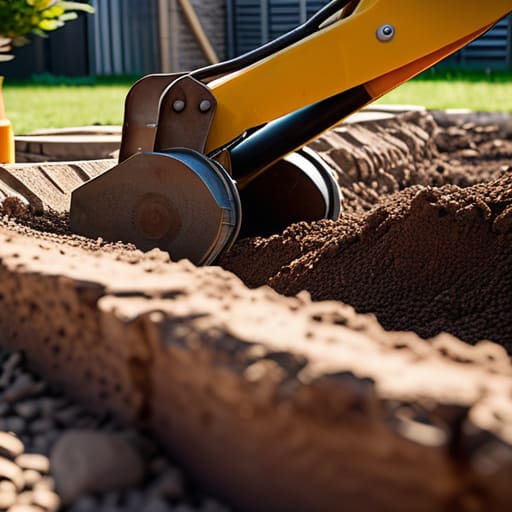
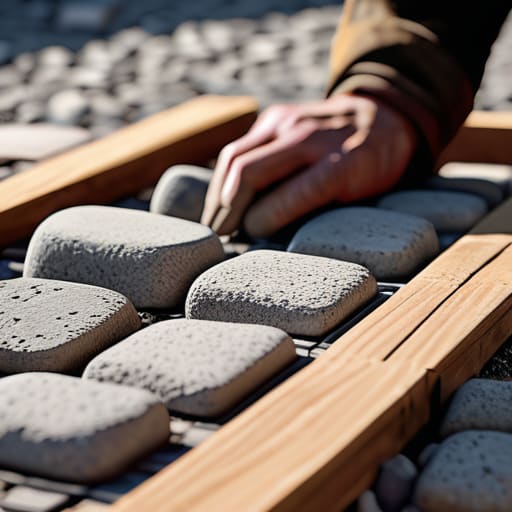
Look, I’ve seen it a hundred times: a lad gives a quote that looks too good to be true, and you wonder why. Usually, it’s because he hasn’t factored in the real work. Most people think they’re paying for the stones or the slabs you see at the end, but the bulk of your excavation and sub-base preparation costs happens before a single piece of paving even touches the ground. If you’re digging out a driveway and you hit unexpected clay or old tree roots, that’s time and plant hire you didn’t budget for. You can’t just skim the surface and hope for the best; if you don’t dig deep enough to get a proper, compacted layer of MOT Type 1, you might as well be paving on a sponge.
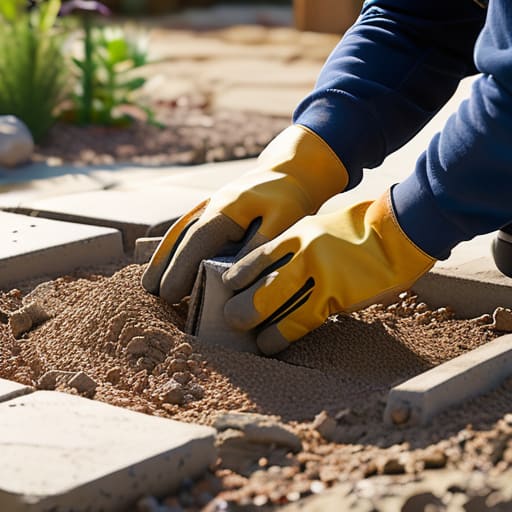
I always tell people that the stuff you can’t see is what keeps the rest of the project from falling apart. You might be obsessing over the paving material price per square meter, but if you skimp on the hardcore or the sand bedding, that expensive stone is going to shift and dip within six months. You aren’t just paying for dirt to be moved; you’re paying for the stability that keeps your house from looking like a landslide.
Why Paving Material Price Per Square Meter Is Only Half the Story
I see it every time I walk onto a site where a homeowner is clutching a brochure, pointing at the fancy stone and saying, “But the paving material price per square meter is only fifty quid!” They think they’ve done the math. They haven’t. They’re looking at the skin of the project and completely ignoring the muscle and bone underneath. You can buy the most expensive, high-end granite in the country, but if you’re laying it on a bed of rubbish or a poorly compacted sub-base, you aren’t building a driveway—you’re building a future headache.
The real cost isn’t just the stuff you see when the job is finished; it’s the invisible work that happens before the first stone is even laid. You’ve got to account for the specialized tools, the heavy machinery for leveling, and the sheer man-hours required for proper surface preparation expenses. When people look at their budget, they focus on the pretty bit, but they forget that paving installation labor rates reflect the skill needed to make sure those stones don’t shift the first time a heavy van drives over them. If you only budget for the surface, you’re going to be short before you’ve even started.
Five Things That'll Blow Your Budget Before the First Stone is Laid
- Stop obsessing over the price of the slabs and start looking at the skip hire. You can buy the fanciest granite in the country, but if you’ve got two tons of old muck and broken concrete to haul away, that’s money coming straight out of your pocket before you’ve even seen a single pretty finish.
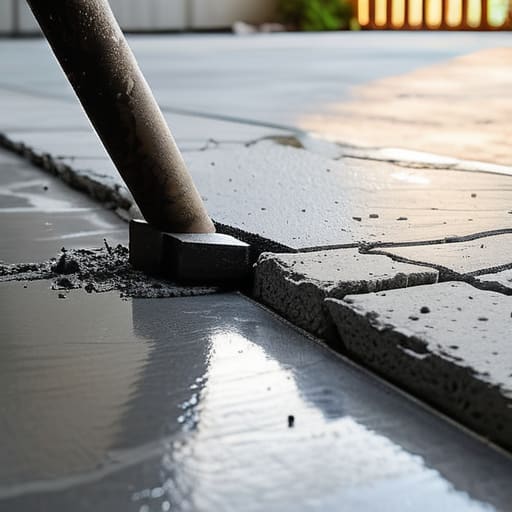
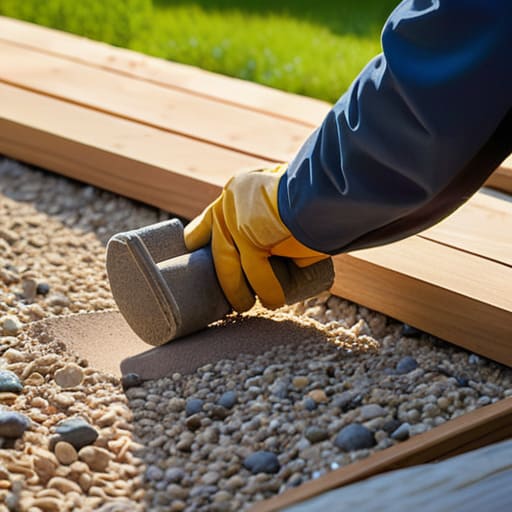
- Don’t let a lad tell you he can “just level it out” with a bit of sand. If the quote doesn’t include proper MOT Type 1 and a heavy-duty plate compactor, you aren’t paying for a patio; you’re paying for a future trip to the tip when the whole lot starts shifting and dipping in two years’ time.
- Watch out for the “hidden” extras like edging and kerbs. A lot of youngsters will give you a price that looks right on paper, but then they’ll hit you with a massive bill for the sub-base restraints and the edge restraints needed to keep the whole thing from spreading like a cheap jam.
- The weather isn’t just a nuisance; it’s a line item. If you’re scheduling a big pour or a heavy paving job during a season of constant rain, expect the price to creep up. You’re paying for the extra time it takes to manage the mud and the extra effort to keep the sub-base from turning into a soup.
- Check the delivery surcharges. If you’re ordering a small amount of specialized sand or a specific batch of stone, don’t be surprised when the supplier adds a “small load” fee. It’s a nuisance, but it’s better to know the real cost of the materials upfront than to get a nasty surprise on the final invoice.
The Bottom Line on Your Build
Look, if you walk away from this thinking the price of the stone or the concrete mix is what’s going to break your bank, you haven’t been listening. The real money—and the real risk—is buried in the dirt. It’s in the depth of the excavation, the quality of the MOT Type 1 you’re compacting, and the man-hours spent making sure that sub-base isn’t going to shift the moment the first frost hits. You can haggle over the price of the pavers all day long, but if you skimp on the foundation and the prep work, you aren’t saving money; you’re just pre-ordering a repair bill for two years down the line.
At the end of the day, I want you to build something that stays where you put it. There is a massive difference between a job that looks good on the day the contractor leaves and a job that is still level and crack-free ten years later. Don’t get blinded by a cheap quote that ignores the hard work happening beneath the surface. If you invest in the right sequence—proper ground, solid sub-base, and correct curing—you’ll sleep soundly knowing your money wasn’t wasted. Do it right the first time, because in my experience, the ground never lies.
Frequently Asked Questions
If I've already got a solid sub-base from a previous build, can I skip the excavation stage to save money, or am I just asking for trouble?
Listen, I’ve seen this exact mistake more times than I can count. You think you’re being clever by saving a few hundred on a digger, but you’re actually just gambling. If that old sub-base hasn’t been tested, or if it’s compacted for a different load, you’re building on a lie. You might save money today, but you’ll be paying for it tenfold when that new slab starts shifting and cracking next spring. Don’t skip the dig.
How much should I actually be budgeting for the "extras" like shuttering, reinforcement, and jointing compounds that don't show up on the main material quote?
Look, you can haggle over the price of the gravel all day, but you’re ignoring the stuff that actually holds the slab together. Shuttering, mesh, and jointing compounds—that’s the “invisible” cost. If you’re doing a proper job, I’d tell you to set aside another 15 to 20 percent of your budget for these bits. It’s not just about buying the materials; it’s about paying for the time it takes to set them up right.
When a contractor gives me a price per square metre, how do I know if they've factored in the right mix for my specific ground conditions or if they're just quoting for the cheapest stuff that'll crack in two years?
Don’t just look at the number; ask them for the spec. If they won’t tell you the mix design or the strength—I’m talking C35 or higher for anything with a bit of traffic—they’re cutting corners. Ask them straight: “What’s the aggregate size and what’s the slump you’re planning for?” If they look at you like you’ve got two heads, they aren’t quoting for a foundation; they’re quoting for a headache that’ll crack by next winter.